Politics & Government
Sequester in Florida: What Do You Think About the $85 Billion in Cuts?
The White House has released a document highlighting the deep cuts Florida will face if a deal isn't reached before March 1. We'd like to get your take on the cuts and what should be done to avoid them.


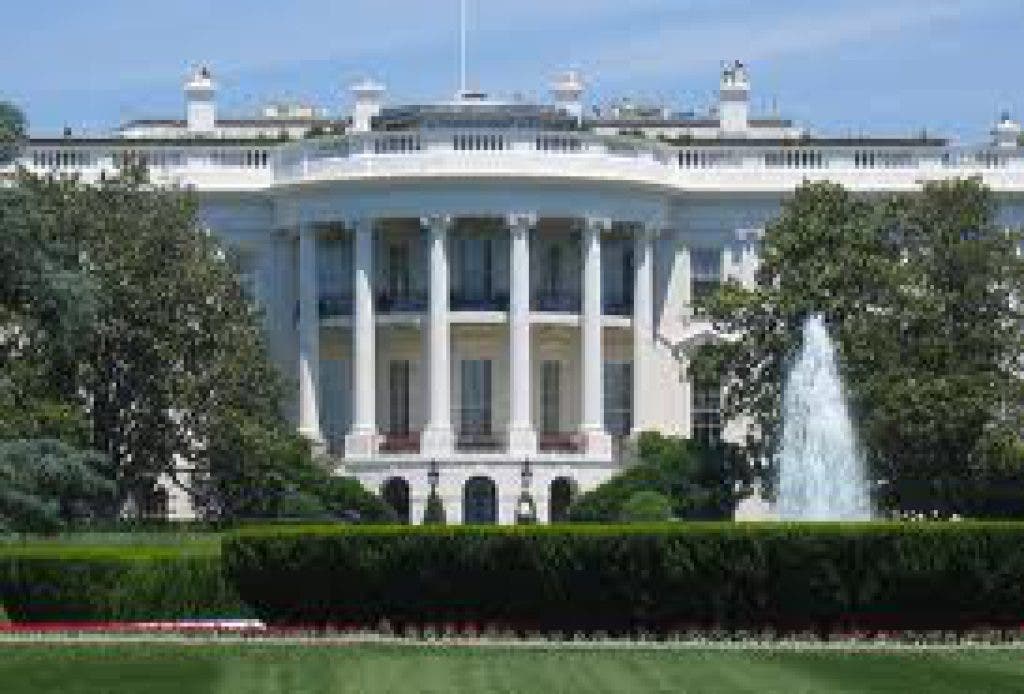
Tampa Bay is a long way from Washington, D.C., but it’s often clear what happens there has very real, very dramatic impacts on our day to day life.
Case in point: the upcoming “sequester,” which will impose $85 billion in automatic spending cuts on the federal government as of March 1 if a deal isn’t reached, according to The Huffington Post.
Those cuts dig deep into just about every government agency imaginable from the federal to the local level. They affect the military, schools, law enforcement, air traffic control, food inspections and more.
Find out what's happening in Lutzwith free, real-time updates from Patch.
In Florida, the impacts this year alone, according to a document released by the White House (see attached PDF) could be staggering. Here are just a few of the impacts the White House says will hit Florida in 2013:
- Florida will lose approximately $54.5 million in funding for primary and secondary education, putting around 750 teacher and aide jobs at risk. In addition, about 95,000 fewer students would be served and approximately 130 fewer schools would receive funding
- Funding for Air Force operations in Florida would be cut by about $23 million
- Head Start and Early Head Start services would be eliminated for approximately 2,700 children in Florida, reducing access to critical early education
- In Florida, approximately 31,000 civilian Department of Defense employees would be furloughed, reducing gross pay by around $183.2 million in total
- Florida will lose about $970,000 in Justice Assistance Grants that support law enforcement, prosecution and courts, crime prevention and education, corrections and community corrections, drug treatment and enforcement, and crime victim and witness initiatives
The list goes on.
Find out what's happening in Lutzwith free, real-time updates from Patch.
What is the Sequester?
The sequester was agreed to back in 2011 as part of the Budget Control Act. The agreement stated if Congress couldn’t reach a deal to cut spending and reduce the federal deficit on its own, the across-the-board cuts would go into effect, according to Forbes.
Fast forward to 2013 and there’s no deal in sight. The Democrats want to see a combination of spending cuts and tax increases enacted. The Republicans say there have been enough tax increases already and budget woes should be handled through more targeted spending cuts, according to ABC News.
If a deal isn’t struck by Friday, March 1, the sequester kicks in. While it delivers those spending cuts the Republicans want, the sequester was designed to create across-the-board cuts of 10 percent. This means wiggle room to keep spending in certain areas higher won’t be available.
Here’s what we’d like your take on Tampa Bay: What do you think about the proposed spending cuts? What’s your take on government’s failure to reach a compromise? How do you think the sequester could be avoided? Share your thoughts in the comments section.
Get more local news delivered straight to your inbox. Sign up for free Patch newsletters and alerts.

